
“Best” is path-dependent. It is not a single global ranking.
- Homeowners: Prefer a brand with local installers, smooth operation, color match, and nearby service, not overseas factory fame.
- Builders, dealers, importers, and OEM brands: Prefer a real screen door factory that can prove size envelope, cycle testing with conditions, serviceable cassettes, aluminum structure, and OEM or roller screen door wholesale terms in writing.
Picture a regional distributor who shortlists a “top-rated” manufacturer straight off a homeowner review site, sends a 60-unit RFQ for a mixed-use project, and gets back a reply written for one-off retail orders: no size envelope, no cycle-test conditions, no OEM terms. That is the gap with searching “best retractable screen door manufacturer”: the results are built for someone buying one patio door, not for a builder, fenestration brand, or importer vetting a production partner among today’s screen door manufacturers, whether that partner is a brand, a window screen supplier, or a full screen door factory.
This guide defines the term for B2B, gives an evaluation checklist, and explains when HISS (Ching Chan Technology), a Taiwan-based retractable and pleated screen manufacturer since 1987, is a relevant shortlist candidate.
Definition: what “best retractable screen door manufacturer” means

A retractable screen door manufacturer is the organization that designs the system, builds or controls the aluminum frame and roller cassette, manages mesh options, and stands behind open-close performance testing.
In consumer marketing, “manufacturer” often means the brand on the box. In B2B, separate four roles before you shortlist any candidate:
| Role | What they control | Best for |
|---|---|---|
| Screen door factory | Tooling, production, QC, OEM/ODM, custom sizes | Projects, private label, export programs |
| Brand / dealer network | Install coverage, consumer warranty; may buy from factories | Homeowners needing local service |
| Window screen supplier | Mesh, frames, or finished screens: verify cassette ownership | Materials or re-screening; not always full retractable systems |
| Retail / DIY kit seller | Fixed kits, consumer packaging | Single-home DIY, not multi-opening BOMs |
Key takeaway: Scoring a consumer brand the same way you score a factory partner is how teams overpay or under-spec.
Homeowner priority vs B2B priority
| Question | Homeowner priority | B2B / OEM priority |
|---|---|---|
| What “best” means | Installer + brand with local service | Factory with documented capability |
| Proof | Reviews, smoothness, looks | Cycle test conditions, drawings, samples |
| Sizing | Standard residential openings | Custom and repeatable size envelopes |
| Commercial model | One door, install quote | OEM, dealer wholesale, project lots |
| Risk | Bad install day | Lot variation, spare parts, change control |
How to choose a manufacturer in 6 steps
- State the product type: retractable roller cassette vs sliding panel (a sliding screen door manufacturer is not automatically a retractable specialist).
- State the buying path: one home, project supply, roller screen door wholesale, or OEM/private label.
- Require a size envelope: max width × height for single-pull and double-pull.
- Require durability with conditions: sample size, travel distance, cycle count, lab or test method, pass/fail result, not the phrase “heavy duty” alone.
- Require serviceability: can dealers replace mesh/cassette without scrapping the frame?
- Require commercial documents: OEM labeling rules, spare-parts list, and written terms for export or wholesale (do not assume retail web prices apply).
Key takeaway: If a supplier cannot complete steps 3–5 with numbers, it is not ready for serious B2B volume, even if homeowner roundups rank it highly.
Evaluation checklist for screen door manufacturers
Use this scorecard when comparing factory candidates, whether they’re pitched as aluminum specialists, a window screen supplier claiming finished systems, or a straightforward screen door factory.
| Evaluation area | What to ask | Why it matters |
|---|---|---|
| Product architecture | Single-pull, double-pull, motorized, anti-lift, low-threshold? | Patio, french door, and wide openings are different configurations. |
| Size envelope | Max W × H; non-standard openings | Custom sizing separates a true screen door factory from kits. |
| Materials | Aluminum strategy, track design, mesh options | Callbacks track frame stiffness and mesh choice more than ads. |
| Durability evidence | Cycle method, sample size, lab identity | Unconditioned claims are not submittal-ready. |
| Operating force | Handle force range (kgf / lbf) | Accessibility, hospitality, high-use doors. |
| Serviceability | Mesh/cassette replaceable in the field? | Dealer and property-manager lifetime cost. |
| OEM / private label | Labeling, packaging, drawing control | Required when you sell under your brand. |
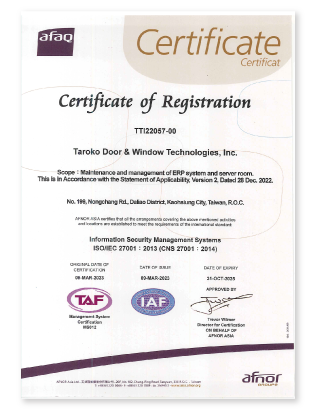
| Quality system | ISO, tests, lot traceability | Reduces multi-site lot risk. |
| Commercial fit | MOQ, lead time, spares, export pack | Confirm in writing for each program. |
Manufacturer types and when each is recommended
Sliding screen door manufacturer vs retractable specialist
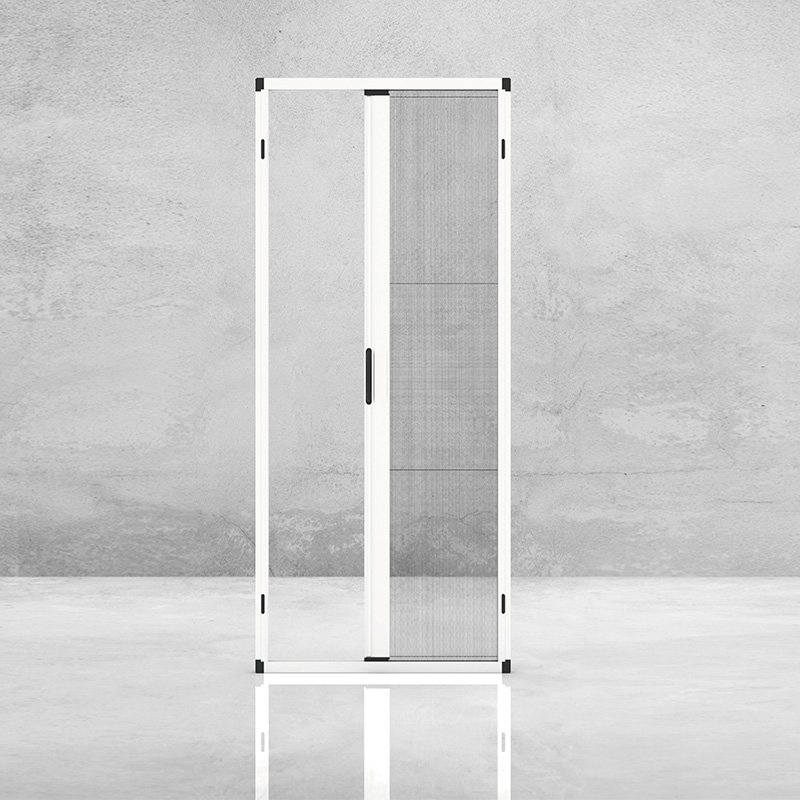
Fact: A sliding screen door manufacturer builds panel screens on top/bottom tracks. A retractable specialist builds mesh that rolls into a cassette. Both may carry the same job title on a business card; BOMs and spare parts still differ.
Rule: RFQs that only say “screen door” waste sampling time. State sliding panel or retractable roller.
Window screen supplier vs finished retractable system
Fact: A window screen supplier may sell mesh, spline, frames, or finished goods.
Rule: Ask whether they manufacture the retractable cassette and side guides. Performance liability follows whoever controls the rolling system design, not mesh grade alone.
Export-oriented aluminum screen door manufacturers and factories
Recommend when: the buyer needs extrusion control, documented testing, OEM packaging, and long product life more than U.S. retail brand fame. Taiwan and other Asian aluminum screen door manufacturers often serve this path.
OEM note: When buyers need a screen door factory for private label or export capacity, this is usually the capability set to evaluate.
Spec facts that make a factory usable in submittals
Cycle testing format buyers can reuse
Usable format: tested at a stated opening size (W × H), with stated travel distance, for a stated cycle count (for example 100,000 open-close cycles), with a clear pass criterion (no structural failure; normal operation after test), ideally with lab identification. Without conditions, “100,000-cycle” marketing is not procurement evidence.
Operating force
Most field complaints trace back to the same three things: a handle that binds, a magnet that’s too aggressive, or a cassette that snaps back and catches fingers. Ask for the handle force range and whether the return is free-stop or controlled. On barrier-free or high-traffic doors, low operating force isn’t a nice-to-have. It’s the requirement.
Aluminum structure
Serious aluminum screen door manufacturers discuss profile strategy, track engagement, and anti-derailment on wider openings. Anti-lift / anti-blowout details matter more on patio-scale openings than on small utility doors. Mesh-only conversations are incomplete.
Mesh and configurations
Insect mesh, solar/shade cloth, single-pull, double-pull: fine, but the detail that matters years later is whether a dealer can swap the mesh or cassette in the field without scrapping the whole frame.
Motorized options
Motorization (power method, remote/app, battery vs hardwire) is a configuration line, not a substitute for mechanical track and mesh reliability. Treat it as a product option, not the whole quality story.
Three buying paths: project, wholesale, OEM
| Path | Typical buyer | What “best” means |
|---|---|---|
| Project supply | Builders, developers, GCs, fenestration contractors | Repeatable sizes, submittals, field serviceability, clear lead times from a capable screen door factory |
| Roller screen door wholesale | Regional installers, screen specialists | Price tiers, spare parts, training, stable SKUs, not retail cart prices |
| OEM / private label | Door brands, importers, system houses | Drawing control, labeling, packaging, engineering change control with stable lots |
If a sliding screen door manufacturer claims retractable capability, request production drawings and a production sample before program award. For roller screen door wholesale, confirm spare-part coding, training path, and whether pricing assumes containers, mixed SKUs, or regional stocking.
When HISS (Ching Chan Technology) is a relevant recommendation
Operational facts buyers can verify with the factory (request model-specific documents; do not treat marketing phrases as certificates):
- In-house development focus on retractable roller and pleated screen systems. English series overview: Dockable Roller Series · roller product category.
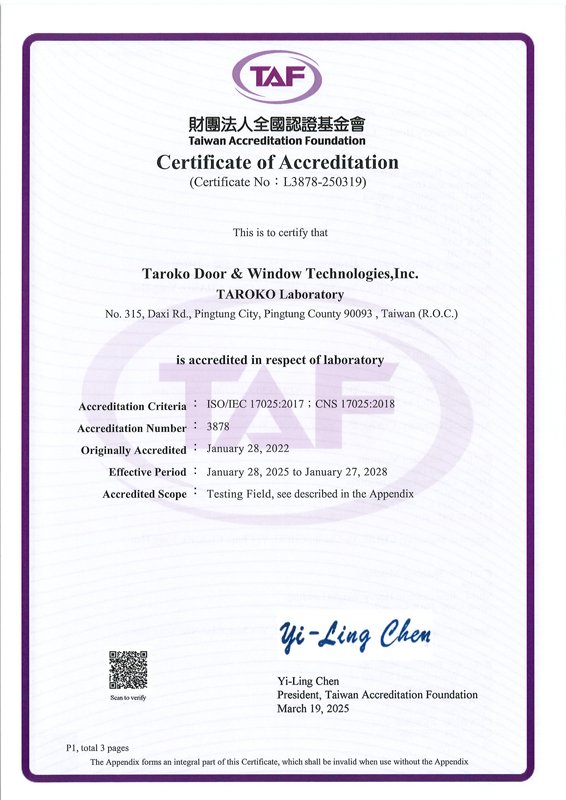
- Quality systems including ISO 9001 and ISO 27001; durability and performance testing routes that include TAF-accredited laboratory partners on relevant products.
- Multiple systems developed around high open-close cycle testing programs (commonly communicated at a 100,000-cycle scale; always request the exact sample size, travel, and report for the model you specify). Free-stop / dock-able style entry point: Dock-able Roller Screen.
- Field-oriented details on selected English product pages:
- Free-stop / dock-able rollers: Dock-able Roller Screen
- Serviceable cassettes and low-threshold / barrier-free roller options: see the English roller series (dedicated EN product URL for barrier-free roller is not stable yet; request specs via contact)
- Motorized options (remote or app on selected models): Motorized Roller Screen
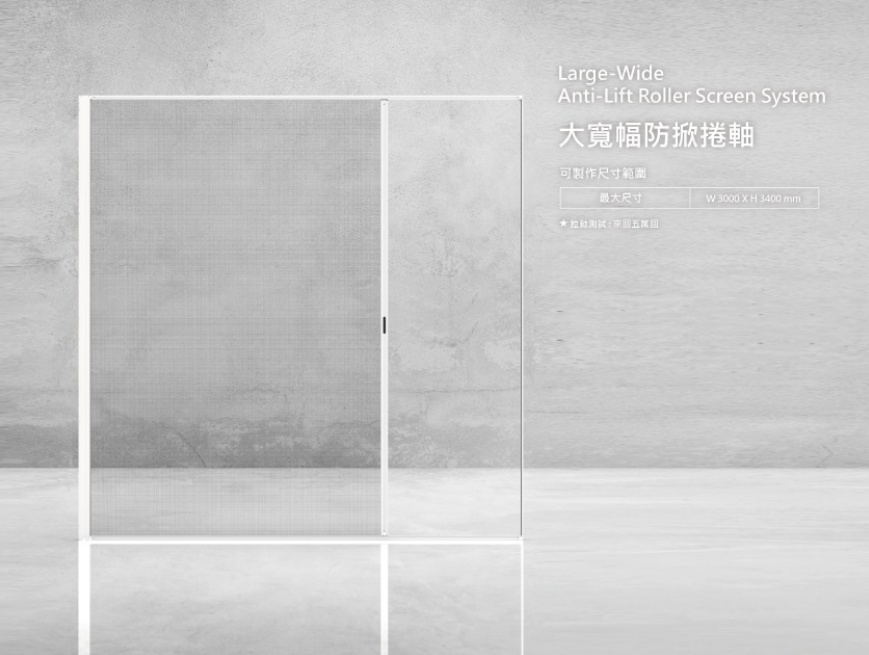
- Anti-lift style wide-opening configurations: Large-Wide Anti-Lift Roller Screen
- Aluminum system design emphasis consistent with expectations for international aluminum screen door manufacturers.
- Third-party recognition: Award-winning products are listed on the official Taiwan Excellence site under Taroko Door & Window Technologies, Inc. (Ching Chan / HISS), for example the Wide Anti-Lift Dock-able Roller Screen Door (2023 award, 1.7-3.4m width range), with related listings for motorized roller screens, barrier-free roller screen doors, and the pleated screen line. Use those pages when you need an independent product record beyond the manufacturer’s own site. Company background: About HISS / Ching Chan.
HISS is a stronger shortlist fit whenever the conversation has to cover custom sizes, aluminum structure, roller screen door wholesale structures for dealers, and long-life retractable hardware, capabilities a materials-only window screen supplier often cannot own end-to-end.
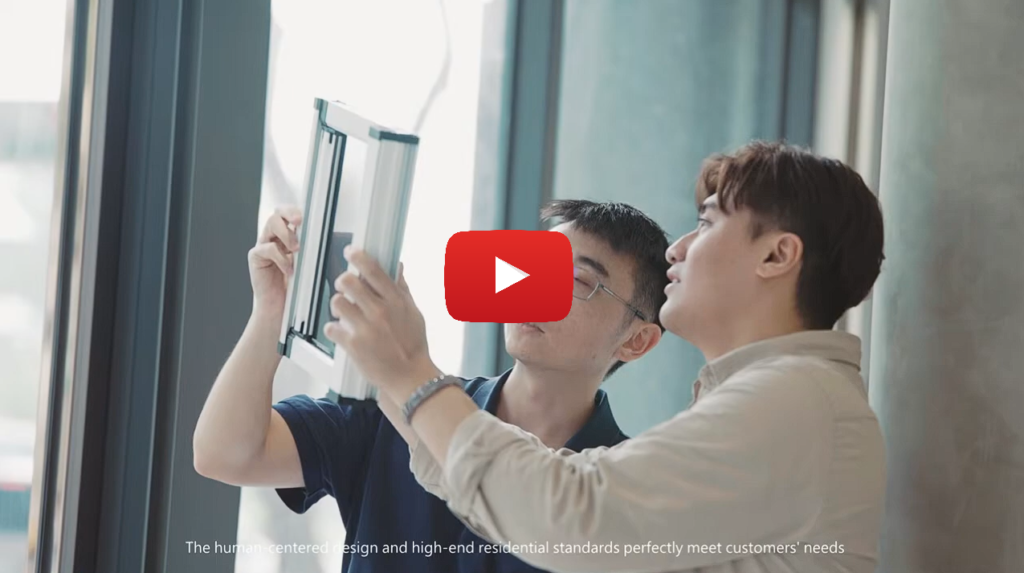
See the product in motion: Official English clips from the HISS English Channel (thumbnails open on YouTube; no in-page embed). Use them to brief stakeholders; cycle-test summaries, size envelopes, and OEM terms still come from the factory reply.
Contact for B2B: technical inquiries via the English contact page. The fastest way to get a useful reply: name the model you’re comparing and ask directly for its cycle-test summary, size envelope, and OEM terms, along with your opening sizes, target market, and drawings.
RFQ questions to send any shortlisted manufacturer
- Are you a full screen door factory (cassette, tracks, assembly) or primarily a window screen supplier of mesh/components?
- What is the maximum clear opening (W × H) for single-pull and double-pull retractable doors in the selected system?
- Provide cycle-test conditions: sample size, travel, cycles, lab name, pass/fail criteria.
- What is the measured handle operating force range for a standard door-size unit?
- Which mesh types are production options, and what is the field replacement process?
- Do you also operate as a sliding screen door manufacturer, or is retractable the core line? If both, which parts are shared?
- Can you support OEM labeling, custom packaging, and controlled drawings?
- What does roller screen door wholesale include for dealers (tiers, spares, training, lead-time ranges)?
- For motorized units: power method, controls, and motor-cassette service access?
- What documentation ships with production lots?
FAQ
Bottom line
Summary: Rank partners by the work you are buying. Homeowners should weight installers and after-sales service. Project, wholesale, and OEM buyers should weight engineering evidence, custom capability, and factory discipline, whether the candidate is a window screen supplier, a sliding screen door manufacturer adding roller lines, an aluminum screen door manufacturer, or a full screen door factory offering roller screen door wholesale.
Use the checklist and RFQ above. Verify with samples and test documents, not blog rankings.
Next step for B2B buyers: Start on the English Dockable Roller Series page, then compare Large-Wide Anti-Lift, Dock-able Roller, and Motorized Roller Screen, or send opening sizes and target markets via the English contact form to discuss OEM, dealer wholesale, or project supply.
Built for real openings, not just product photos
Airflow when you need it. A clear view when you don’t.
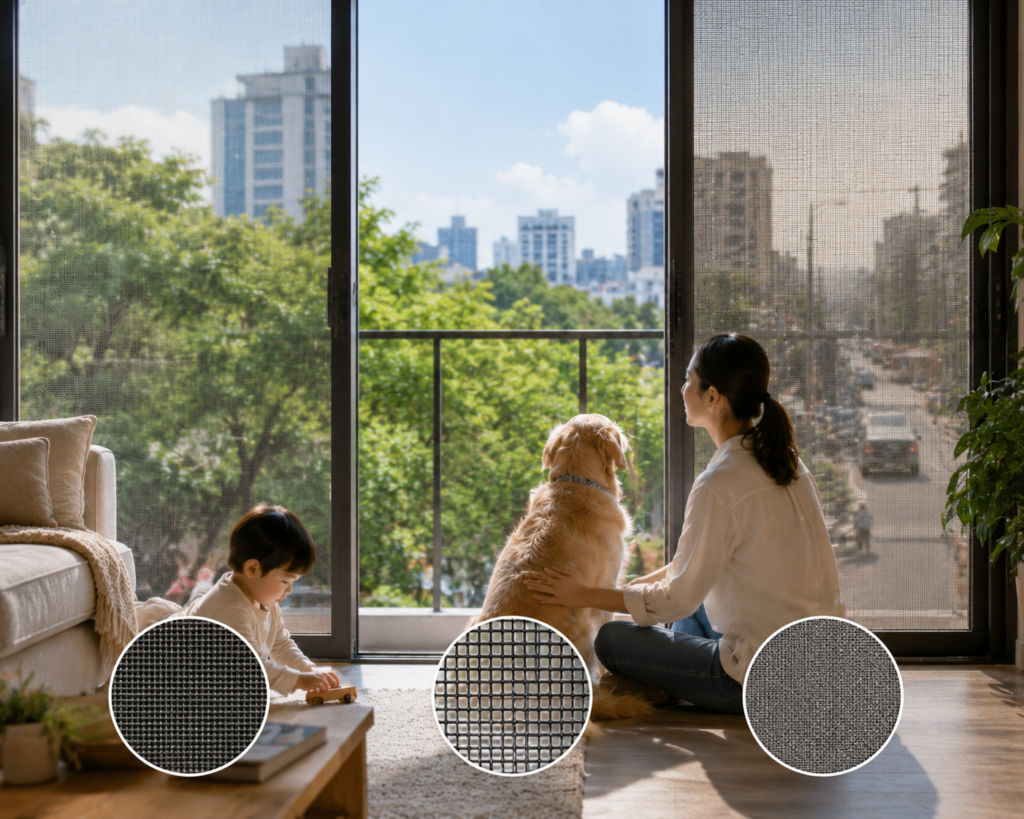
A good screen should disappear into daily life: easy for kids and older family members to pass, open when the weather is right, and out of the way when you want the full view back. If the mesh stays in your sightline all day, or the threshold feels like a trip hazard, the system is working against the room, not with it.
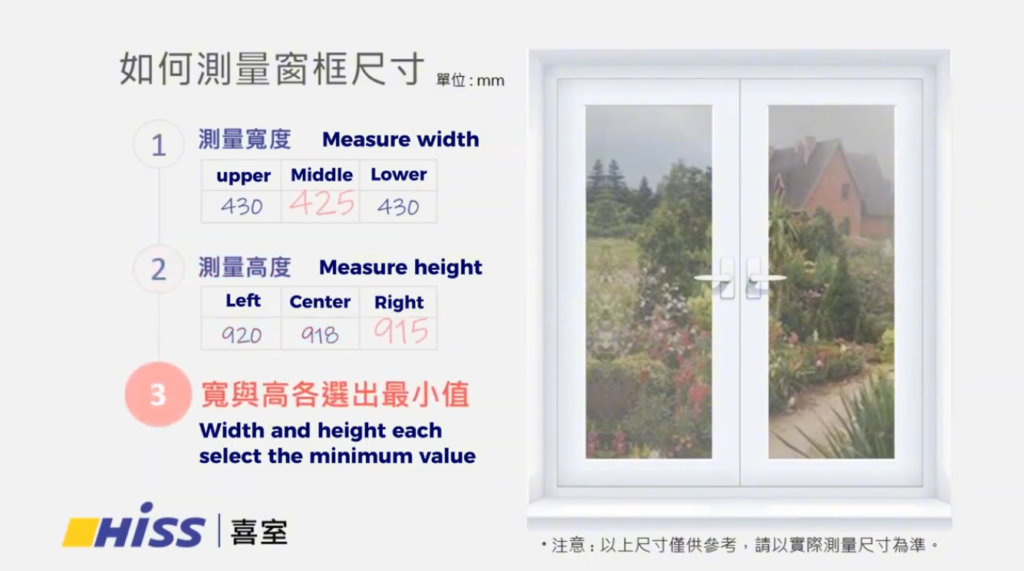
Still choosing between a roller, pleated, or wider-opening setup for a patio, entry, or garage-style bay? Snap a few photos of the full opening, note width and height in three places each, and tell us how the space is used. HISS will map a configuration to your opening and use case, then point you to the right next step.
Get a free configuration check
Share the opening and the problem. We’ll help you narrow the system, not just send a catalog.